Let’s be real: getting into med school isn’t just about grades anymore. Admissions teams want well-rounded applicants—people who’ve seen the inside of a clinic, spent time in a lab, or worked alongside healthcare teams. That’s where summer internships come in.
A solid pre med internship can give you real-world exposure, help clarify your goals, and make your application stand out in a sea of qualified candidates. Whether you’re shadowing physicians, diving into public health, or working on research that actually matters, these experiences can shape how you tell your story.
In this guide, we’ll break down the best summer internships for pre med students, what they look for in applicants, and how you can use them to build momentum for med school—and beyond.
What Counts as a Pre Med Internship?
Medical schools are looking for more than just strong GPAs and MCAT scores. They want to see that you understand what a career in medicine really involves—and that you’re ready for the commitment. With acceptance rates hovering around 40% as of 2025, standing out means showing more than academic ability.
That’s where pre-med summer internships come in. These opportunities do more than fill up your calendar. They give you real exposure to the work, mindset, and responsibility required for med school and beyond.
Here’s how they help:
- Hands-on experience: From shadowing physicians at a children’s hospital to assisting in biomedical sciences labs, summer internships offer practical experience that shows you’re ready for real clinical or research responsibilities.
- Career clarity: Not sure if you’re into pediatrics, surgery, public health, or research? Summer programs expose you to a variety of specialties and clinical environments, helping you explore different experiences so you can better define your goals before applying to graduate school.
- Stronger personal statements: Real-world stories stand out. Your time in internship opportunities—especially in high-impact locations like Chicago or Cincinnati—can help shape a compelling narrative that sets you apart in applications.
- Professional connections: Internships connect you with faculty, mentors, and program coordinators who may offer recommendation letters, application advice, or networking leads in the future.
Bottom line? These internships aren’t just optional—they’re often what separate successful med school applicants from the rest. Use them to gain clarity, confidence, and credibility in your educational journey. And while you’re planning your next steps, don’t overlook how to find and secure scholarships for medical school—financial aid can make the path more accessible and less stressful.
Best Pre Med Summer Internships to Apply For
NIH Summer Internship Program (SIP)
The NIH SIP gives undergraduate students a rare opportunity to conduct full-time biomedical research in one of the world’s top health institutions. Interns are paired with leading scientists and exposed to cutting-edge studies in fields like genetics, immunology, public health, and neuroscience.
Eligibility: U.S. citizens or permanent residents, 17+ years old, enrolled at least half-time in a college or university.
Standout feature: Offers hands-on research, career development workshops, and seminars on ethics, public health, and graduate school preparation—all at the National Institutes of Health.
CDC’s Collegiate Leaders in Environmental Health (CLEH)
This 9-week program focuses on environmental health issues like air quality, water safety, and infectious disease. Interns are assigned to CDC offices in Atlanta, working on real-world challenges that intersect with public policy, epidemiology, and community health.
Eligibility: Undergrads with a 3.0 GPA and at least one year of coursework completed.
Standout feature: Direct exposure to how federal health agencies operate, plus skill-building in data analysis, public speaking, and environmental science.
Mayo Clinic Summer Undergraduate Research Fellowship (SURF)
The SURF program at Mayo Clinic gives students an immersive experience in biomedical research. Over 10 weeks, participants work closely with research mentors, attend weekly seminars, and participate in poster sessions. Fields include molecular biology, regenerative medicine, and cancer research.
Eligibility: Sophomores and juniors in a U.S. college pursuing medicine or science careers.
Standout feature: Mentorship from top Mayo scientists and access to world-renowned labs at one of the nation’s top hospitals.
Stanford Clinical Summer Internship
This two-week program is designed for students looking to explore clinical medicine through immersive simulation labs, lectures, and hospital tours. Participants learn clinical techniques, engage in problem-based learning, and get insights into the daily life of physicians at Stanford.
Eligibility: High school seniors and college students (domestic and international welcome).
Standout feature: High-quality, short-term program with a strong academic reputation, ideal for sharpening your personal statement and confirming your career path.
Health Career Connection (HCC)
HCC matches students with internship placements in community clinics, hospitals, health foundations, and nonprofits. Interns work on projects ranging from patient outreach to policy research, gaining practical insight into healthcare systems.
Eligibility: Open to all undergraduates, with emphasis on students from underrepresented backgrounds in health careers.
Standout feature: Emphasis on leadership development, equity, and long-term mentorship; available in cities like Chicago, San Francisco, and New York.
SHPEP (Summer Health Professions Education Program)
Funded by the Robert Wood Johnson Foundation, SHPEP aims to increase diversity in health professions by offering academic enrichment in science and math, clinical exposure, and mentorship. Students live on-campus at partner universities and attend lectures, workshops, and hands-on labs.
Eligibility: First- and second-year college students with at least a 2.5 GPA; must be U.S. citizens or permanent residents.
Standout feature: Tuition-free with housing and meals included; focuses on helping students from underrepresented or disadvantaged backgrounds succeed in medicine, dentistry, and more.
Local Hospital or University Internships
Don’t underestimate the power of local opportunities. Many hospitals, clinics, and research universities offer summer internships with flexible requirements. These roles can involve shadowing doctors, assisting in labs, or helping with data entry for ongoing clinical studies. In addition, some local programs provide unique experiences or supplementary benefits, such as exposure to different clinical departments or special workshops, which can broaden your understanding of medical careers.
How to find them:
- Use your school’s career center or pre-health advising office
- Search LinkedIn or hospital career boards
- Attend local health fairs and networking events
- Contact program coordinators or your school’s career center directly for more information
These internships are often run over the summer months and typically last from a few weeks to two months.
Standout feature: More accessible than national programs, often with personalized mentorship and hands-on experience close to home.
What These Programs Look for in Applicants
Pre med summer internships are competitive—but getting in is absolutely doable with the right prep. Here’s what most programs are looking for:
- Solid GPA and coursework: A minimum GPA of around 3.0 is common—but that’s just the baseline. Competitive applicants often have GPAs closer to 3.73–3.77 and MCAT scores averaging 511.5 to 511.9. Solid performance in your core science classes (like biology, chemistry, and anatomy) shows you're not just meeting requirements.
- For students interested in healthcare: Volunteer work, pre-med clubs, or relevant online classes all show that you’re genuinely interested in exploring the field and motivated to pursue medicine or research. Admissions committees typically expect around 150–200 hours of volunteer experience, so building consistent, meaningful involvement can go a long way in strengthening your application.
- Strong letters of recommendation: Programs want recs from people who actually know you—professors, lab mentors, or supervisors who’ve seen your growth firsthand. If you're part of additional programs like research labs or leadership roles on your campus floor, those connections can lead to stronger, more personalized letters.
- Thoughtful personal statement: Skip the generic lines—focus on specific moments or challenges that shaped your path. Whether it was an experience in Cincinnati College’s pre-health track or a volunteer role in a St. Louis clinic, use real stories to reflect your knowledge and motivation.
- Bonus: shadowing or volunteering experience: Not always required, but definitely helpful. Clinical or research exposure helps you build context, clarify your goals, and learn how to manage your schedule like real medical professionals do. Programs want to see you’ve put in the work before committing to the field.
How to Strengthen Your Application
Landing a pre med summer internship isn’t just about grades—it’s about showing commitment, curiosity, and potential. Here’s how to boost your chances:
- Start early: Deadlines for summer programs usually hit between December and February. Give yourself time to gather recommendations, polish your statement, and complete the application. Seeking out summer research experiences can also strengthen your application, as these structured opportunities provide early exposure to biomedical research and professional development.
- Tailor each application: Read what each program values. Some prioritize research experience, others look for community service. Customize your personal statement to match their focus.
- Build relationships now: Ask for letters of recommendation from people who’ve seen your work ethic. Let them know what you’re applying for, and give them context so they can write something strong.
- Show, don’t just tell: Instead of saying “I’m passionate about medicine,” describe a moment that sparked that passion—like volunteering in a clinic or caring for a family member.
- Highlight growth: Even if your GPA isn’t perfect, explain what you’ve learned, how you’ve improved, and what steps you’re taking to stay on track.
No Summer Internship? Here’s What to Do Instead
Not landing a formal internship isn’t a setback—it’s an opportunity to get creative and build real-world experience. Here’s how:
You can spend your summer gaining valuable skills and experience through alternative activities, making the most of your available time.
Shadow Local Doctors or Clinics
Reach out to nearby physicians and ask if you can observe them—just a few hours weekly can offer valuable insight into patient care and clinical workflows.
Volunteer at Hospitals or Community Health Centers
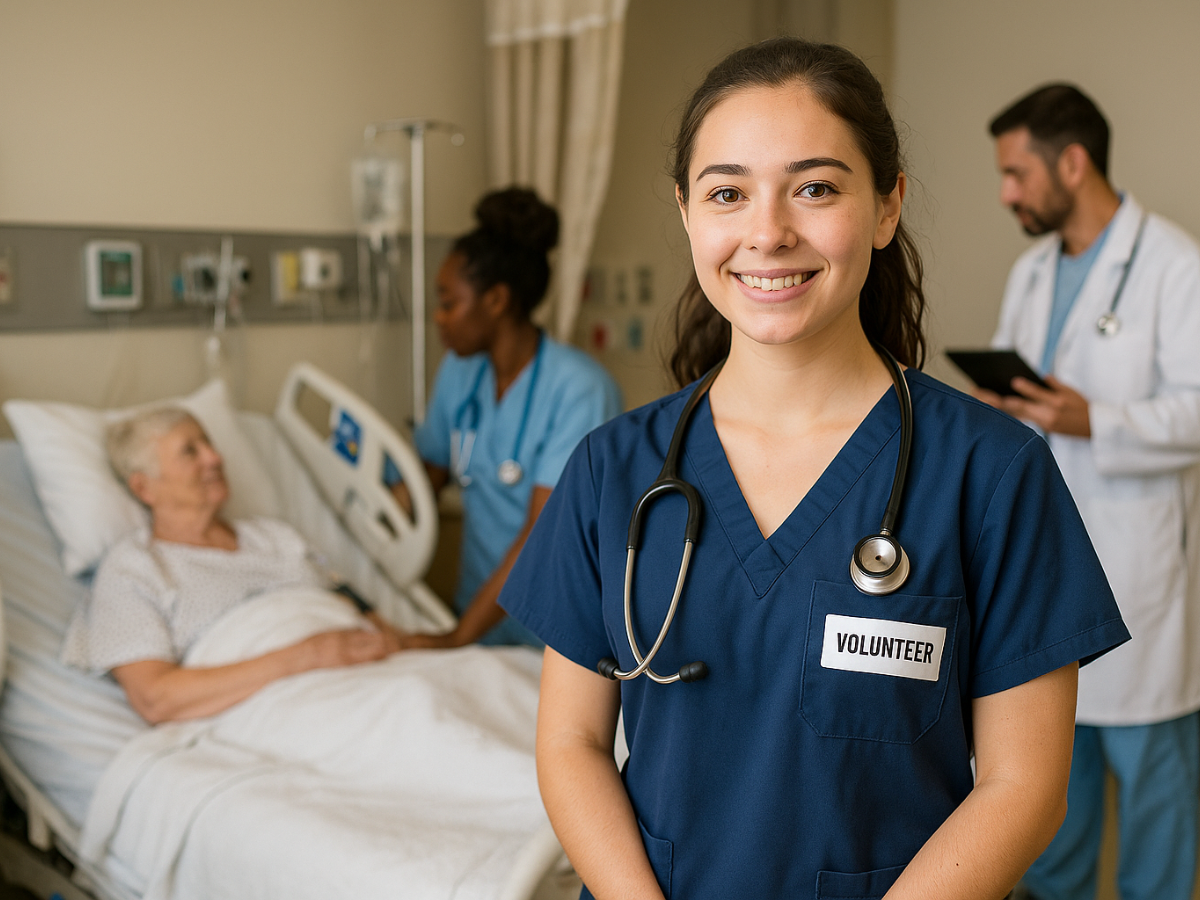
Commit to a few hours a week at a hospital, free clinic, mobile unit, or a children's hospital. You’ll gain practical exposure, demonstrate empathy, and show initiative. Volunteering at a children's hospital can provide unique exposure to pediatric care.
Join Public Health Campaigns or Nonprofit Projects
Look for vaccine drives, health education initiatives, or community wellness events. These experiences highlight your commitment to public health and hands-on outreach.
Start a Small Research Project With a Mentor
Approach a professor or researcher—even if it’s just helping with literature reviews, data collection, or surveys. Progress is progress.
Students can also look for formal summer research opportunities offered by universities and medical institutions to gain valuable experience and build academic credentials.
Work a Healthcare-Adjacent Job
Roles like pharmacy tech, medical scribe, CNA, or rehab aide offer front-line experience. You'll learn patient interaction, clinical documentation, and team dynamics—skills that translate well no matter where you start your journey.
For students beginning at a two-year college, these roles can complement programs at some of the best community colleges for medical school preparation and help you stay competitive when it’s time to transfer or apply.
Make Your Summer Count—With or Without an Internship
You don’t need a formal program to gain meaningful pre-med experience. What matters is how you spend your time. Volunteering, shadowing, working in healthcare, or starting your own project can all show initiative—and help you grow into the kind of candidate med schools look for. If you’re still mapping out your path, exploring the best colleges for medicine can also give you insight into what top programs offer and how they support future physicians.
So if your summer didn’t go as planned, don’t stress. Stay focused, adapt with intention, and keep moving forward.